

Choosing the right IT support provider in the North East is not just about cost. It is about finding a partner that keeps your business secure, productive, and well supported day to day.
If you are comparing managed IT services in the North East or considering IT outsourcing for the first time, these questions will help you focus on what matters most.
1. What response times do you guarantee in your SLA?
Look for providers who define response times based on urgency – for example, quicker responses for critical outages compared to minor requests.
A good answer clearly sets out how quickly issues will be acknowledged and resolved, so you’re never left guessing when something goes wrong.
A reliable provider will also explain their Service Level Agreement (SLA) in plain English, making it easy to understand what’s covered and what isn’t.
2. How does your IT helpdesk handle day-to-day support?
Strong day-to-day support is central to good IT support. This question helps you understand how your team will contact the provider, who responds, and how updates are shared.
A good answer should explain how users raise issues, what the support process looks like, and how quickly you can expect progress updates.
It is also worth asking whether support is delivered by local engineers or outsourced elsewhere, especially if your business values local knowledge and consistency across the North East.
3. How can I raise a support ticket?
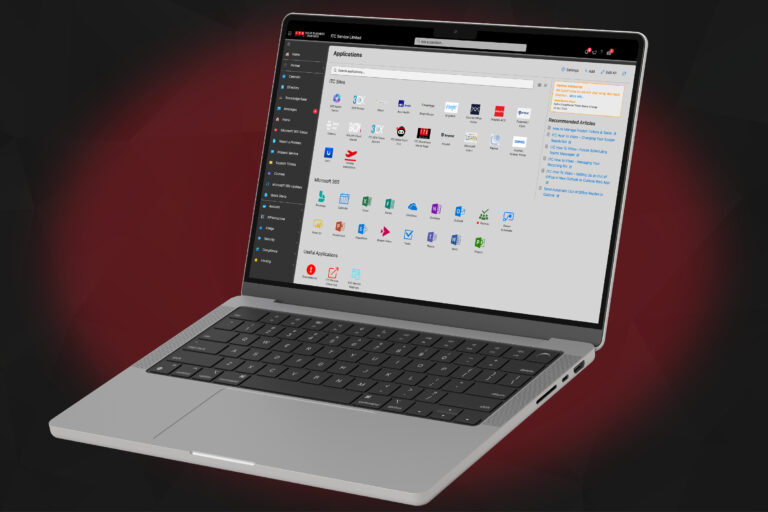
A good IT support provider should make it easy for your team to get help in the way that suits them best. That usually means offering more than one route to support, rather than forcing everyone through a single channel.
Look for options such as a client portal for logging and tracking tickets, a direct phone number for urgent issues, email for routine requests, and website forms for new enquiries or out-of-hours support. The strongest providers bring these channels together so requests are recorded properly, updates are easy to follow, and nothing gets missed.
This is worth asking about early, because a clear and accessible support process has a direct impact on user experience and response times.
4. What happens if an issue needs escalating?
A well-structured escalation process ensures that more complex problems don’t get stuck at the first level of support. The best providers will explain how issues move through different levels of expertise and who takes ownership at each stage.
You want reassurance that critical problems won’t just sit in a queue but are actively managed until they’re resolved.
5. How do you protect our business from cyber threats?
A strong answer will focus on prevention as well as response, covering areas like monitoring, updates, and user awareness. Cyber security is no longer optional, especially for SMBs, so your provider should take a proactive approach.
Providers like ITC Service typically build security into their managed IT services, rather than treating it as an add-on, ensuring your systems are consistently protected.
6. How do you support data protection and backup?
A good provider will explain how your data is backed up, how often it’s tested, and how quickly it can be restored. This is crucial for business continuity, particularly if your organisation relies on access to systems and files day-to-day.
You should feel confident that, in the event of a problem, your business can recover quickly without significant disruption.
7. What tools do you use to monitor and manage our systems?
The right tooling enables proactive support, meaning issues can often be fixed before you even notice them. A clear answer will outline how systems are monitored and what triggers action from the support team.
This proactive approach is a key benefit of IT services North East England, helping reduce downtime and improve overall performance.
8. Do you offer proactive support, or just fix problems when they arise?
A good IT partner doesn’t just react – they proactively prevent problems. The best providers will describe how they identify risks, maintain systems, and recommend improvements over time.
This is where the difference between basic support and true managed IT services becomes clear.
9. Can you provide on-site support across the North East?
Local presence matters, especially when hands-on support is needed. A strong answer should confirm whether engineers can visit your site in places like Newcastle, Sunderland, Durham, or Teesside when required.
Working with a local provider often means faster response on-site and a better understanding of the North East business environment.
10. How do you support business growth and scalability?
A good provider will think beyond your current setup and help you plan for the future.
Their answer should cover how they adapt your IT as your team grows, introduces new systems, or expands into new locations.
The right partner will make sure your IT keeps up with your business, rather than holding it back.
11. What happens if we experience a major outage or disaster?
Clear continuity planning is essential, so your provider should explain how they handle worst-case scenarios. This includes system failures, cyber incidents, or loss of access to key systems.
You’re looking for reassurance that there’s a tested plan in place, not just a reactive approach when something goes wrong.
12. What does your onboarding process look like?
A smooth onboarding process ensures a seamless transition, whether you’re switching providers or outsourcing IT for the first time. Your provider should explain how they take over systems, understand your setup, and introduce their support to your team.
This stage sets the tone for the relationship, so it should feel organised and reassuring from the outset.
Making the Right Choice for Your Business
Choosing an IT support provider is ultimately about finding a partner that understands your business, communicates clearly, and can adapt as your needs change. The questions above are designed to help you move beyond surface-level comparisons and focus on what really matters: reliability, transparency, and long-term value.
While every provider will have different strengths, the best relationships are built on trust, clear expectations, and consistent service delivery. Taking the time to evaluate these areas upfront can help avoid disruption, unexpected costs, or gaps in support further down the line.
Next Steps in Choosing the Right Partner
If you’re currently reviewing your IT support or simply want an independent view of your setup, it can be useful to have a conversation with an experienced provider.
At ITC Service, we work with organisations across the North East to assess their current IT environment, identify risks, and provide clear recommendations on where improvements can be made.
Whether you’re looking to switch providers or just sense-check what you have in place, we’re happy to offer a no-obligation discussion – get in touch.